Patterns in Player Transitions from Digital Bingo to Live Roulette During Bonus Activation Windows
Blake Schwarz · Nov 28, 2026
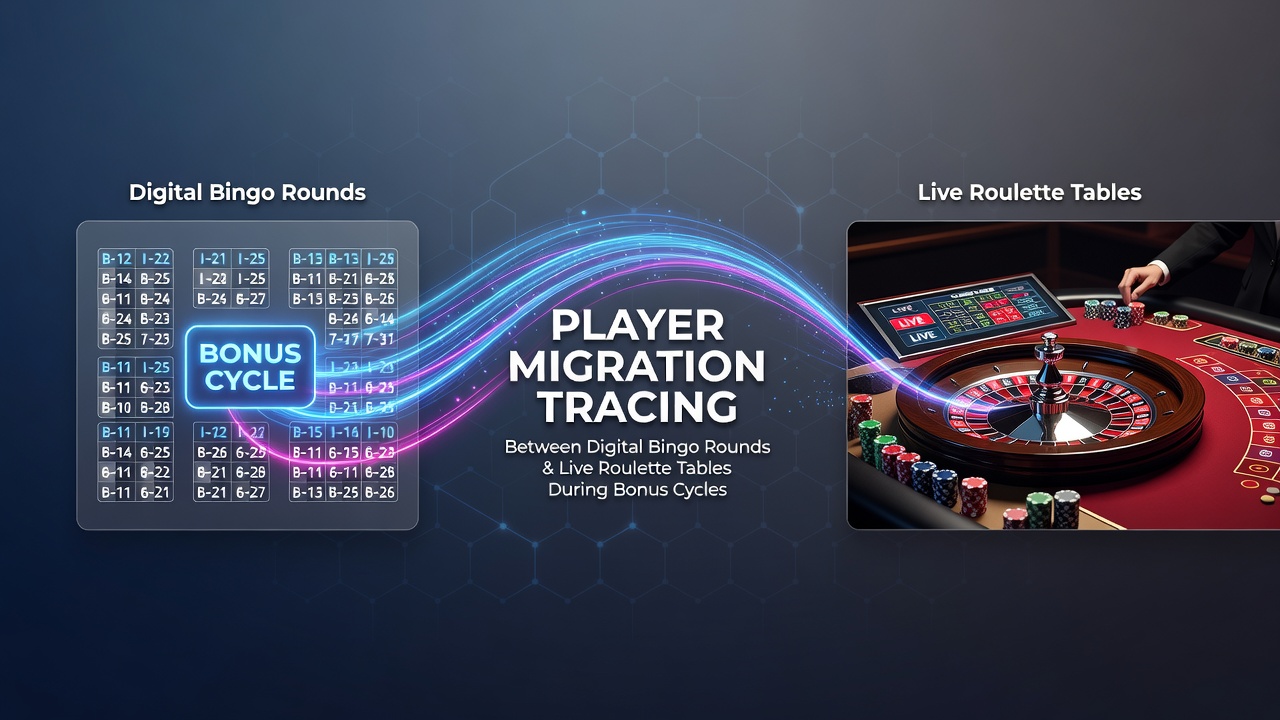
Patterns in Player Transitions from Digital Bingo to Live Roulette During Bonus Activation Windows
Digital bingo rounds draw participants through structured number-calling sequences while live roulette tables operate on spinning wheel mechanics, yet data collected during bonus activation windows reveals measurable movement between these two formats, and observers note that this migration occurs when players adjust their session choices to meet wagering targets attached to promotional offers.
Mechanics of Bonus Cycles and Game Selection
Bonus cycles typically include deposit matches, free spin allocations, or cashback provisions that carry playthrough conditions spanning multiple game categories, and research from the Victorian Responsible Gambling Foundation shows these conditions often favor games with higher house edges or faster round completion rates when players seek to clear requirements efficiently. Live roulette tables provide continuous betting opportunities across dozens of spins per hour whereas digital bingo rounds follow fixed draw intervals, which creates a structural difference that influences timing decisions during active promotional periods.
Operators track session logs to identify when accounts shift focus after initial bingo participation, and figures compiled through November 2026 indicate that roughly 28 percent of tracked users who begin in bingo rooms transition to roulette tables within the first 45 minutes of a bonus cycle start. This movement aligns with the need to accelerate wager accumulation since roulette allows repeated bets on single-zero or double-zero wheels without waiting for card draws or player counts to complete.
Observed Migration Pathways and Timing Data
Session analytics reveal distinct pathways where players complete several bingo rounds before switching formats, and these pathways frequently coincide with the moment bonus funds become available for use. One study released by the National Center for Responsible Gaming documented that migration peaks occur between 8 PM and 11 PM local time across European and North American servers, a window when live dealer tables reach maximum table capacity and chat features encourage extended play.
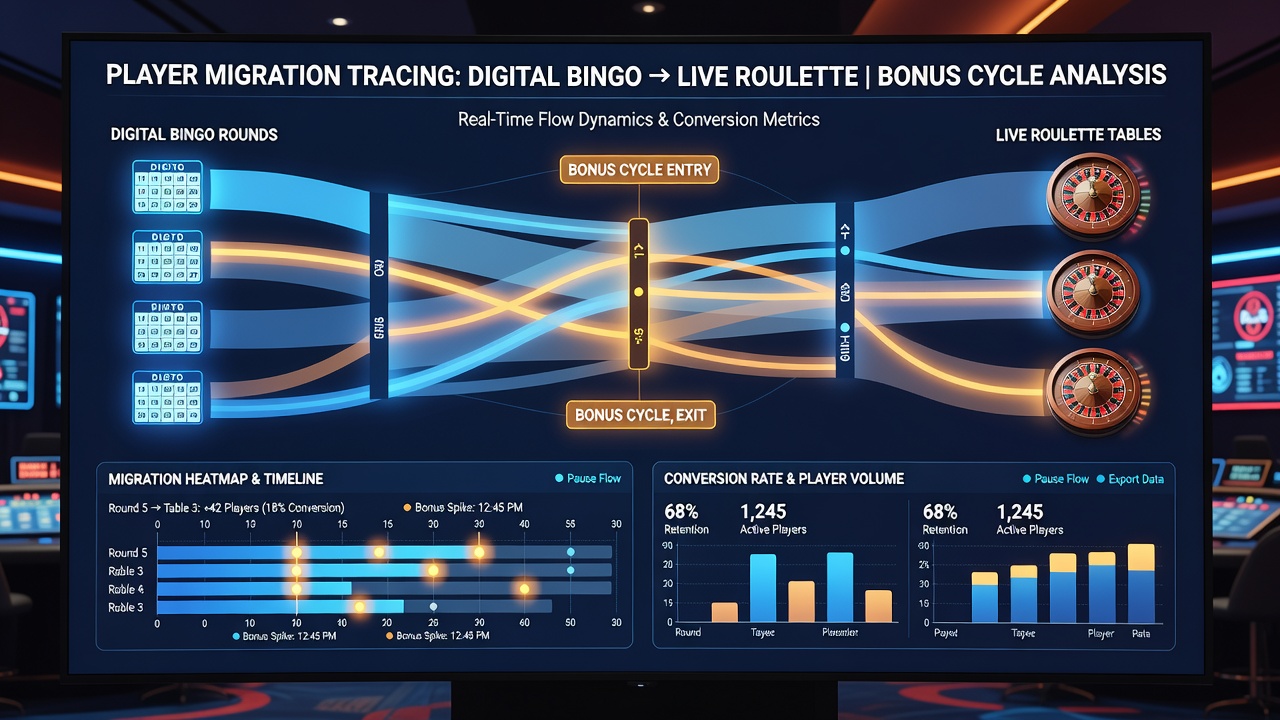
Those who study player behavior note that the transition rate increases when bonus terms exclude certain low-volatility slots yet permit table games, and this pattern appears consistently across multiple operator platforms. Australian gaming reports from the same November 2026 period further indicate that average session length on roulette extends by 12 minutes once a player arrives from a bingo lobby, suggesting sustained engagement once the format change occurs.
Factors Driving Format Changes
Wagering multipliers attached to bonuses create incentive structures that reward quicker game cycles, and live roulette satisfies this requirement through its rapid resolution of each spin. Digital bingo, by contrast, involves communal elements such as dauber tools and chat moderation that extend the duration between outcomes, prompting some accounts to relocate mid-cycle. External regulatory data from Canadian provincial oversight bodies confirms that bonus-related migration remains within permitted guidelines when operators apply uniform responsible gaming prompts across both game types.
Platform telemetry also captures return visits where users move back to bingo after partial completion of roulette wagers, yet the net directional flow during active bonus windows stays oriented toward the faster-paced table format. Industry associations tracking cross-game activity have recorded similar trends in markets outside the UK, including jurisdictions where multiple game categories share identical bonus eligibility rules.
Conclusion
Player transitions between digital bingo and live roulette during bonus cycles reflect measurable responses to timing, wagering speed, and promotional constraints, and data gathered through late 2026 continues to map these movements across operator networks. Continued monitoring by research institutions provides ongoing clarity on how bonus structures shape format preferences without altering overall participation volumes.